The Aga
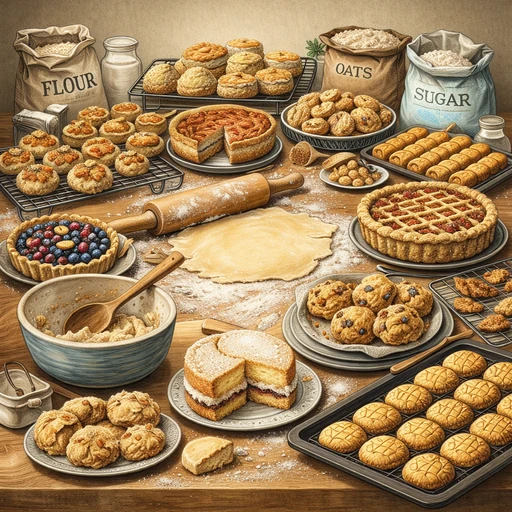
The Aga is not for hurried cooking. It is for slow warmth, patient baking, and the kind of meals that seem to gather themselves over time.
Here, flour dusts the table, pastry waits beneath a cloth, and something is nearly always cooling on a rack.
✧ What Belongs Here
The Aga holds the slower kitchen work — bread, pastry, crumbles, pies, baking trays, and the sort of dishes that feed more than one person well.
Bread & Dough
- Simple loaves
- Flatbreads and buns
- Things that need time to rise
Pastry & Pies
- Fruit pies
- Savoury bakes
- Tarts and turnovers
Comfort Bakes
- Scones and biscuits
- Tray bakes
- Crumbles and puddings
Slow Oven Things
- Baked vegetables
- Slow dishes left to rest
- Food made for sharing
✧ A Simple Hearth Loaf
Bread is one of the clearest lessons in patient kitchen work. It asks to be handled, left alone, and trusted.
- 500g strong bread flour
- 7g yeast
- 1 tsp salt
- 300ml warm water
- Optional: 1 tbsp olive oil
- Mix flour, yeast, and salt in a bowl.
- Add warm water and bring together into a dough.
- Knead until smooth and elastic.
- Cover and leave to rise until doubled.
- Shape, leave again briefly, then bake until golden.
Bread does not always need to be perfect to be good. A warm loaf, unevenly shaped, is still a success.
Good additions
- Rosemary for warmth
- Oats for a softer, humbler loaf
- Seeds for texture
✧ Fruit Crumble
A crumble is one of the kindest things to bake. It takes fruit that is softening, berries that need using, or apples that have lingered a little too long, and turns them into something generous.
- Fruit — apples, blackberries, plums, berries
- A little sugar or honey
- Plain flour
- Butter
- Optional oats
- Place prepared fruit into a dish with a little sugar.
- Rub butter into flour to form a crumble topping.
- Add oats if you like a rougher texture.
- Scatter over the fruit and bake until golden.
This is a very forgiving bake. Use what you have, sweeten only as needed, and let the fruit lead.
✧ Simple Pastry
Pastry feels harder than it is. The trick is not force, but lightness. Keep things cool, handle only as much as needed, and let it rest.
- 225g plain flour
- 100g cold butter
- Cold water
- Pinch of salt
- Rub butter into flour until it resembles rough crumbs.
- Add just enough cold water to bring it together.
- Wrap and rest before rolling.
- Use for pies, tarts, and small bakes.
Resting matters. Many kitchen troubles are solved simply by leaving something alone for a little while.
✧ Scones & Everyday Baking
The Aga is also the place for the smaller, more frequent bakes — the tray of scones, the simple biscuits, the cake made because someone is coming by.
Good first bakes
- Fruit scones
- Oat biscuits
- Traybake sponge
- Cheese scones
Useful flavourings
- Cinnamon for warmth
- Lemon zest for brightness
- Nutmeg for comfort
- Vanilla for sweetness and softness
A house often feels different when something has been baked in it.
✧ What to Keep to Hand
A working baking corner is less about abundance and more about readiness. A few useful basics go a long way.
- Flour
- Oats
- Sugar
- Butter or dripping
- Dried fruit
- Spices
- Baking powder or yeast
The more often you bake, the more you begin to see how a small store cupboard becomes a kind of quiet security.
✧ Keeping What You Bake
Bread
Best used fresh, but can be sliced and frozen for later.
Scones & Biscuits
Keep in a tin once cool and use while still at their best.
Pies & Crumbles
Keep chilled if needed, then warm gently to serve again.
Pastry
Dough can be made ahead and kept cold until needed.
The Aga teaches a good rhythm: bake enough to be useful, not so much that it goes to waste.
✧ A Few Good Things to Try First
- A simple loaf with rosemary
- Apple and blackberry crumble
- Basic pastry for a fruit tart
- Plain scones with butter and jam
Start with what you would most like to eat warm.
✧ From My Kitchen Table
When I was younger, Sundays were often spent baking. Simple things — scones, rock cakes — made for the family to share later in the day. Nothing fancy, just warm, familiar, and always welcome.
These are the kinds of recipes that stay with you.
✧ Simple Scones
- 225g self-raising flour
- 50g butter
- 25g sugar
- 150ml milk
- Rub butter into flour until it resembles crumbs.
- Stir in sugar.
- Add milk and bring together gently.
- Roll lightly and cut into rounds.
- Bake until risen and golden.
Best eaten warm, with butter, jam, or both. Handle lightly — they prefer a gentle touch.
Ways to Vary Them
- Savoury: add grated cheese, a pinch of mustard powder, or chopped herbs.
- Classic sweet: add a little extra sugar and mixed dried fruit.
- Fruit & cherry: mixed fruit, sultanas, or chopped glacé cherries.
- Spiced: a pinch of cinnamon or nutmeg for warmth.
- Plain: keep them simple and serve with butter and jam.
Once you know the base, they can be whatever you need them to be.
✧ Rock Cakes
- 225g self-raising flour
- 100g butter
- 75g sugar
- 100g dried fruit
- 1 egg
- 1–2 tbsp milk
- Rub butter into flour.
- Stir in sugar and dried fruit.
- Add egg and a little milk to bind.
- Drop rough spoonfuls onto a tray.
- Bake until golden and slightly crisp at the edges.
They should look a little uneven — that’s where the name comes from.
✧ Cinnamon Loaf
This is a warm, comforting bake — soft inside, gently spiced, and perfect with tea.
- 225g flour
- 150g sugar
- 2 eggs
- 100g butter (melted)
- 1 tsp cinnamon (or more if you love it)
- 1 tsp baking powder
- 100ml milk
- Mix dry ingredients together.
- Whisk in eggs, butter, and milk.
- Pour into a lined loaf tin.
- Bake until risen and golden.
For extra warmth, sprinkle cinnamon sugar on top before baking. The scent alone is worth making it for.
✧ A Blessing for the Baking Table
“Let the dough rise well.
Let the oven hold steady.
Let what is made here bring comfort.”